The following information was taken from the article “A trauma-informed approach to teaching through coronavirus ” written by Teaching Tolerance Staff and “Focusing on Student Well-Being in Times of Crisis” written by Cathleen Beachboard
We know that in some districts, schools have just closed, while in others, there’s an expectation that classes will shift to distance learning. This change can be a challenge for educators as well as students. From a trauma-informed standpoint, what do educators need to be conscious of as they navigate this transition? This post offers expert advice on how to use trauma-informed curriculum while teaching students — whoever is doing it.
Relationships and well-being can take priority over assignment and behavioral compliance.
Now more than ever, students should feel valued and welcome regardless of their background or identity. Students will fare best if they know their teachers care about their well-being just as much as their behavior and assignment compliance.
Educators can display their investment by creating relational rituals before checking on distance learning assignments with students. For example, students and educators can share one tough moment and one hopeful moment of the day, or educators and students can share one new lesson they learned about themselves during the day. Participating in these shares can help educators build and maintain connection despite the distance.
Consider creating a check-in using a Google form that asks first about a positive part of their day. Then inquire specifically about a student’s mental state. Using multiple-choice answers can help students feel less intimidated to complete the check-in. Offer choices such as “I’m great,” “I’m OK,” “I’m struggling,” or “I’m having a hard time and would like a check-in.”

What are a few key points educators need to understand about stress, trauma and their effects? Are there specific approaches to student support they should be prioritizing during this crisis?
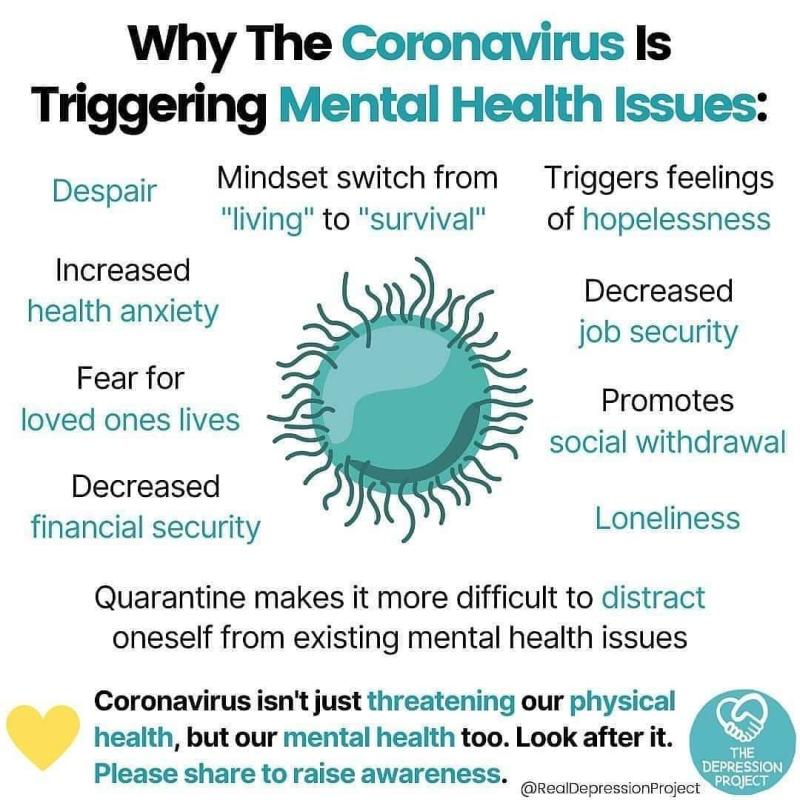
When people are facing stress and difficult life circumstances, it can particularly affect these areas: a sense of safety and feelings of connectedness. In each of these areas, educators can make an impact.
A sense of safety
A sense of safety is the belief that your needs — and the needs of those you care about — will be met. It is a belief that you will be protected from harm and that those around you will be safe. Educators can expect that many students’ sense of safety will be compromised right now. None of us have ever seen a time like this, when institutions that provide safety and structure are closed, and the news talks about death rates and hospital bed shortages. For the many families that are experiencing or will experience significant income loss, this crisis may also mean food insecurity or an inability to pay rent and bills — all of which can severely damage a child’s sense of safety.
But there are steps educators can take to support a sense of safety in children. They can:
- Reach out, provide space and encourage students to connect with them or another trusted adult or counselor to talk about their safety concerns. Offer students a way to connect if there is something that they need help with or are worried about.
- Encourage students to talk to friends or family members on the phone.
- Encourage families and caregivers to avoid watching the news in front of their children (as that can be upsetting), keep as much of a regular family routine as possible, and plan activities such as going for walks or hikes or playing board or video games together.
Connectedness
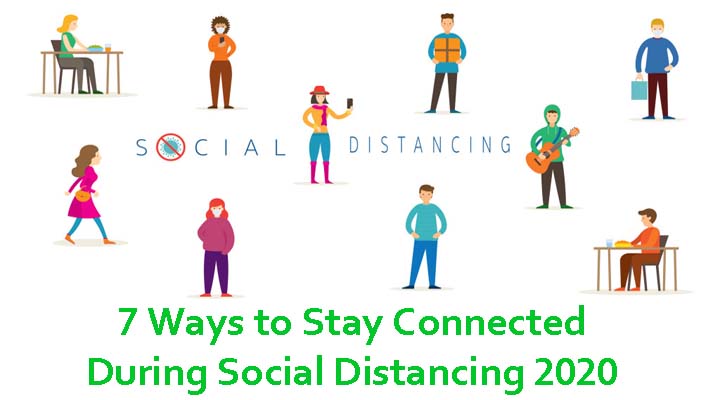
Connectedness refers to having relationships with others who can understand and support you. As we are practicing social distancing and have closed most public places, educators will need to get creative to help students feel connected.
To foster a sense of connectedness, educators can:
- Plan activities through the use of web-conferencing sites that allow students to see, hear and interact with each other and their teacher.
- Talk directly about the importance of connecting with others.
- Incorporate space for fun activities into online lesson plans or take-home packets.
In addition to the suggestions above, are there any activities for students (either for online classes or that students can do independently) that you recommend educators try?
There are many social emotional learning practices and wellness activities that teachers can encourage students to complete independently or online. Some possible social emotional and wellness practices can include the following:
- Recommend quick mindfulness or self-soothing exercises such as smelling a flower or completing deep breathing before completing the lesson.
- Have students complete a virtual gratitude journal.
- Help students create self-care plans. Ask students to identify support structures, people, and activities that help them feel better. Have them create creating a simple list of activities that make one feel calm or happy, such as music, exercise, coloring, art, or meditation. Generate a list of people whom they currently interact with daily in their everyday life and who currently help support their daily needs. Ask students to list stressors that might act as speed bumps to their mental well-being. Then help them create a plan to address each of the stressors and barriers using tools from the support section.

Are there students in particular situations that educators should be keeping closer contact with during this period?
While not all families have a history of exposure to trauma, children with identified histories of trauma may be especially vulnerable to the impact of significant changes in schedule, routine and expectations that come with social distancing, canceled classes, remote learning and reliance on caregivers for academics.
Other students may also be at additional risk during this time:
- students who have had anxiety;
- students who have depression or suicidal ideation;
- students who have learning and attention disorders;
- students whose families may have lost jobs or income;
- students who have loved ones particularly vulnerable to the covid-19 virus;
- students who have a caregiver who is a health-care worker or in another occupation where they are exposed to the virus or are being asked to respond in an intense way;
- students who may be less supervised because of caregivers’ work.
What steps do you recommend for educators who want to be there for their students but who might also be dealing with their own stress right now?
- Practice self-kindness, and remember that it is best to take care of yourself before you try to take care of anyone else.
- Take time to check in with yourself to gain insight into where you may be struggling. Once you identify the issues, work to create a plan to address the issues you can control and to work on letting go of the ones you cannot.
- Utilize social supports as needed. Consider planning a virtual coffee break or lunch hour with colleagues or other educators, where you might share strategies that are or are not working, talk about what you’re cooking or watching on Netflix, and experience a much-needed sense of community
- Create a routine that includes getting up at a regular time, getting ready and dressed for the day, a work schedule, some way to move your body and some breaks to connect to others.

Are there any specific resources, articles or other information you recommend?
Some of the answers above were adapted from the National Child Traumatic Stress Network (NCTSN) publications, including:
- this resource created to help school staff when families have to cope in hard times;
- this resource that educators can share with families facing increased financial difficulty and isolation;
- this resource, created for older students, which includes recommendations for coping strategies;
- this tool kit for educators for working with traumatized children;
- this educator-facing resource on secondary traumatic stress;
- this resource on childhood traumatic grief, available in English and Spanish;
- this video series with Isaiah Pickens, helping to support educators addressing trauma in their students and caring for themselves.
These resources from the NCTSN expand on some of the recommendations above:
- Parent/Caregiver Guide to Helping Families Cope With covid-19 (available in English, Spanish and Mandarin)
- Simple Activities for Children and Adolescents Amidst covid-19 Outbreak
- Taking Care of Yourself
These resources from the Center for the Study of Traumatic Stress can be helpful:
- Helping Homebound Children During the covid-19 Outbreak
- Psychological Effects of Quarantine During the Coronavirus Outbreak: What Healthcare Providers Need to Know
- Sustaining the Well-Being of Healthcare Personnel During Coronavirus and Other Infectious Disease Outbreaks
- Caring for Patients’ Mental Well-Being During Coronavirus and Other Emerging Infectious Diseases: A Guide for Clinicians
Educators can may find these resources from the Centers for Disease Control and Prevention (CDC) useful:
- The CDC is regularly updating information here.
- Implementation of Mitigation Strategies for Communities with Local covid-19 Transmission
- Reducing Stigma
These resources from Substance Abuse Mental Health Services (SAMSHA) may also provide support:
- Tips for Social Distancing, Quarantine, and Isolation
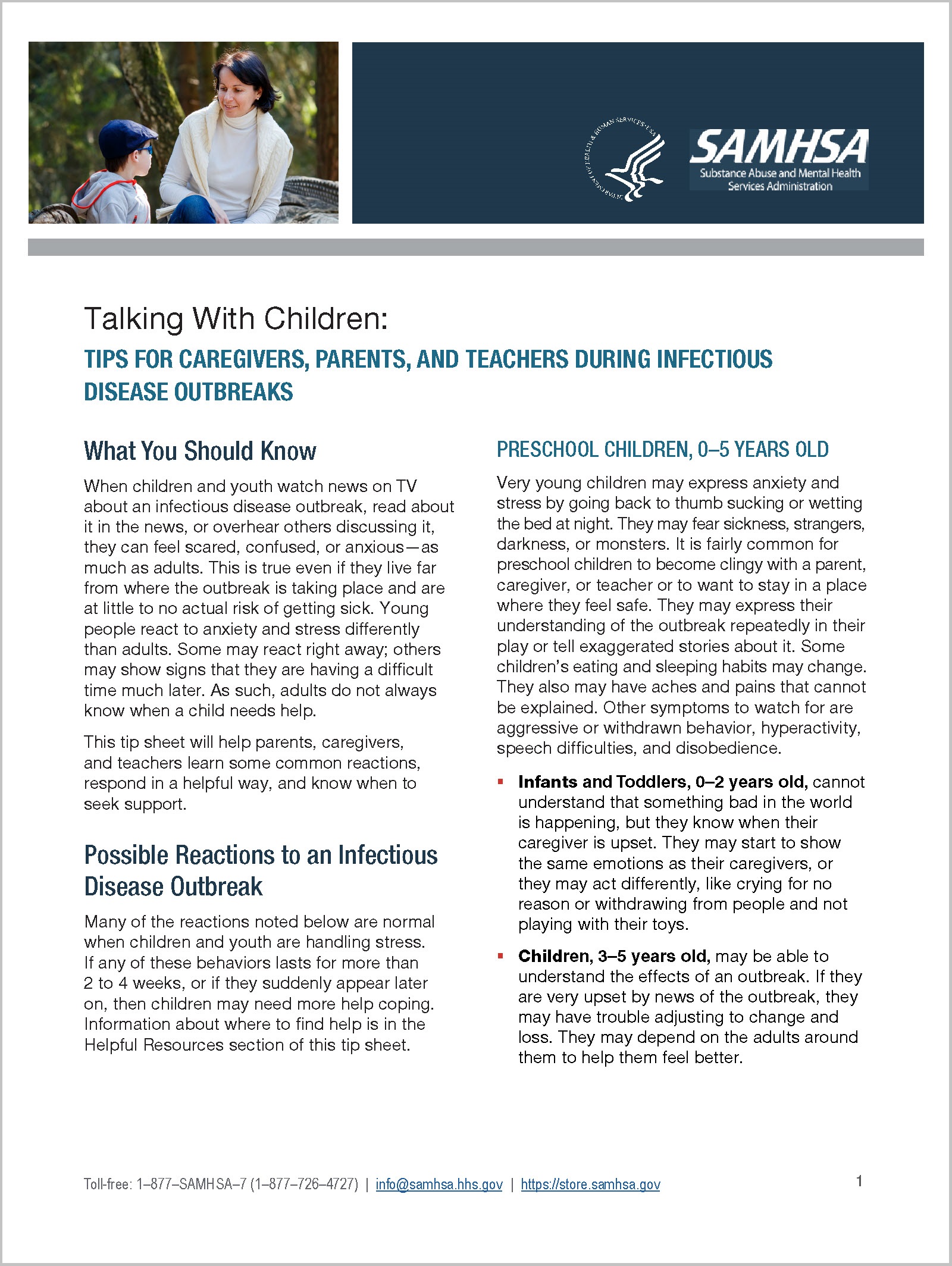
- Talking With Children: Tips for Caregivers, Parents and Teachers During Infectious Disease Outbreaks
 Trauma Informed Practices for Staff