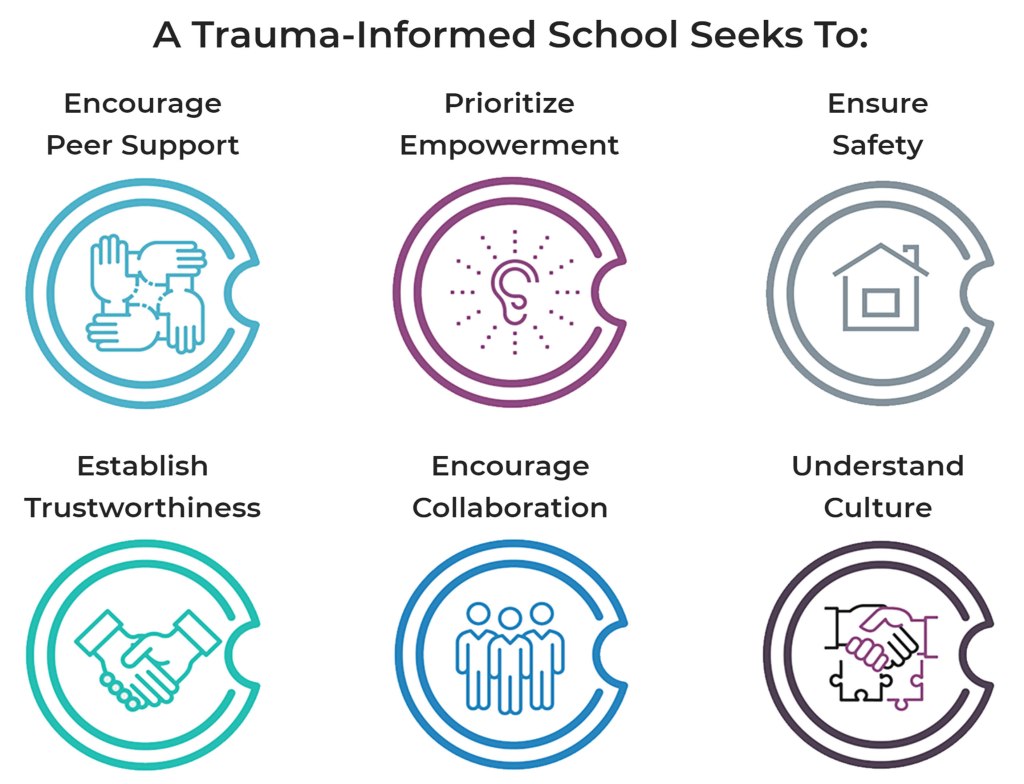
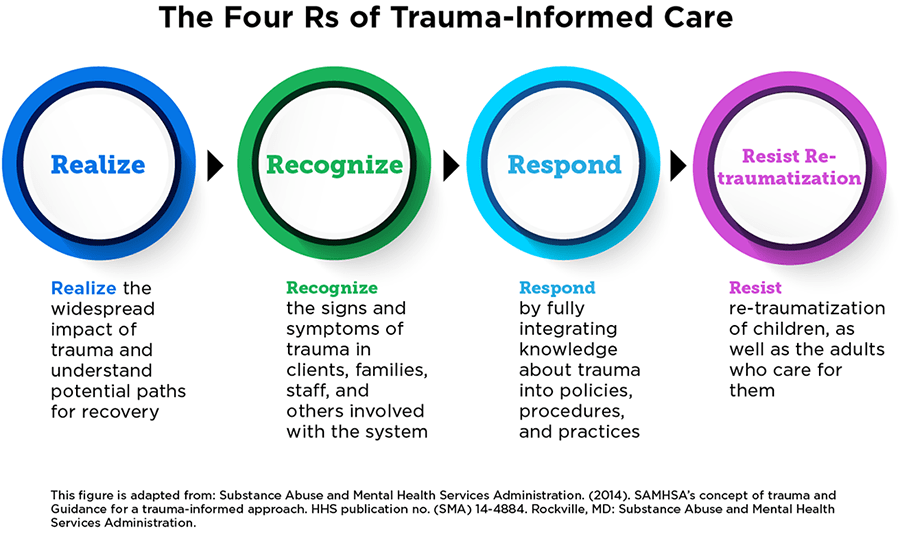
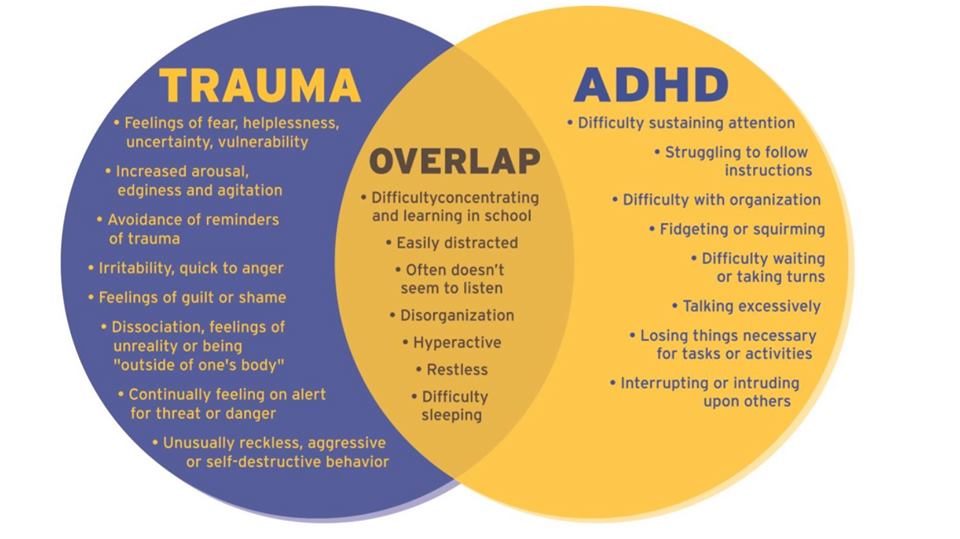
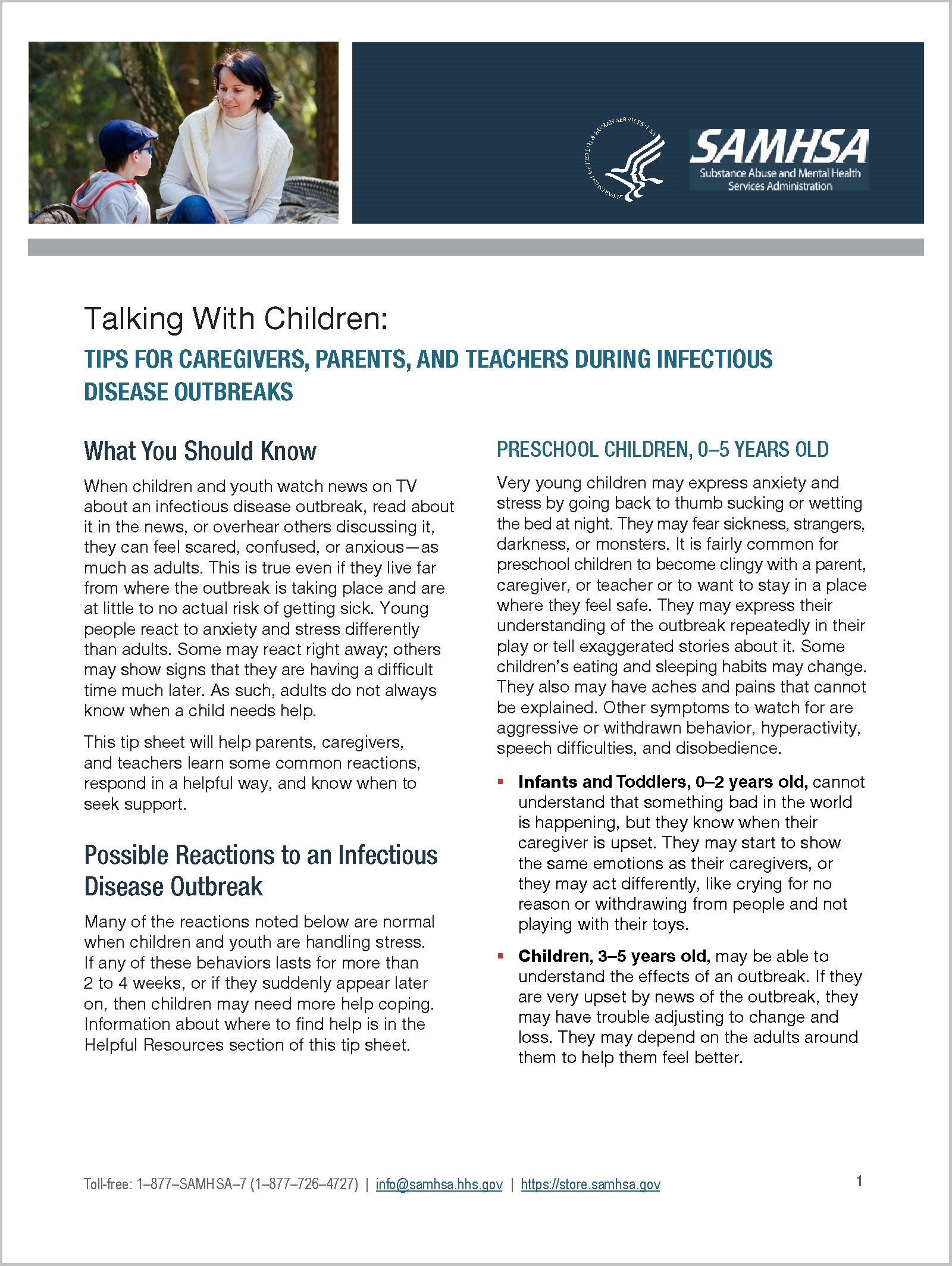
A trauma informed practice is defined as an organizational framework that involves understanding, recognizing, and responding to the effects of all types of trauma. In a trauma-informed school, the adults in the school community are prepared to recognize and respond to those who have been impacted by traumatic stress.
Kindness is defined as the quality of being friendly, generous, and considerate. Affection, gentleness, warmth, concern, and care are words that are associated with kindness. While kindness has a connotation of meaning someone is naive or weak, that is not the case. Being kind often requires courage and strength. Kindness is an interpersonal skill.
There are different ways to practice kindness. One way to be kind is to open your eyes and be active when you see people in need. Do you notice when people could use a helping hand? A sense of community is created when people are kind to those who need help.
Kindness is also about telling the truth in a gentle way when doing so is helpful to the other person. Receiving accurate feedback in a loving and caring way is an important part of a trusted relationship. The courage to give and receive truthful feedback is a key component of growth and flexible thinking.
Kindness includes being kind to yourself. Do you treat yourself kindly? Do you speak gently and kindly to yourself and take good care of yourself? There are many ways to be kind and many opportunities to practice. Perhaps kindness is a value that could add more satisfaction to and strengthen your relationships.
Practicing Kindness in a Trauma-Sensitive Classroom
Kindness means that we do not need to be fixed ourselves to be able to show kindness to others. Neither are we responsible for fixing anyone else’s lives or problems. Kindness to others comes from things that may seem very little or unimportant to us, but which may literally save lives.
Kindness means we listen to those who are hurting (including ourselves), with open hearts and minds — not judging, not trying to fix, not trying to change them, but simply being there, available and paying attention.
Kindness means we feel with those in pain — our own experiences may not have been exactly the same, but we have experienced things that are similar enough to allow us to feel of empathy. When we feel with someone — we are connecting at a deep level and little by little overcoming the sense of isolation.
Kindness means we respond to what we have heard and felt, with gestures that do not have to be large or complicated, but which are genuine and heartfelt. These are the things that are priceless and which will be remembered and will keep students going on the bad days.
We are currently focusing on a multi-lesson focus on Empathy, Kindness and Compassion with our SEL / Character Strong lessons. These lessons are about students giving and getting social support through putting Kindness into action. These lessons start by reminding students about the key ingredients that ensure empathy results in taking action to support others. Actively making the effort to understand what others are going through and who might really need what kind of support enables students to reach out in ways that make a difference… Below are more ideas for cultivating an Act of Kindness Practice
Cultivating an Act of kindness practice
Imagine the suffering of someone you know or met recently. Imagine again that you are that person, and are going through that suffering. Now imagine that another human being would like your suffering to end — perhaps your mother or another loved one. What would you like for that person to do to end your suffering? Now reverse roles: you are the person who desires for the other person’s suffering to end. Imagine that you do something to help ease the suffering, or end it completely. Once you get good at this stage, practice doing something small each day to help end the suffering of others, even in a tiny way. Even a smile, or a kind word, or doing an errand or chore, or just talking about a problem with another person. Practice doing something kind to help ease the suffering of others. When you are good at this, find a way to make it a daily practice, and eventually a throughout-the-day practice.
From the Article, How to support students experiencing adversity during the coronavirus crisis by Brittany R. Collins April 3, 2020
This is a challenging time for everyone, and teachers are concerned. Concerned for their health and their families. Concerned about equity, access, and best practices as they turn to new online learning-management systems. Concerned about curricular continuity. And concerned for students’ physical and emotional well-being.
In recent years, trauma-informed teaching strategies have offered salve in times of stress, giving educators guidelines for supporting students experiencing adversity. But how can these pedagogies translate to an online context? How can we support students’ social-emotional health and help them process these unprecedented events when we are not sitting in a circle or walking out to recess?
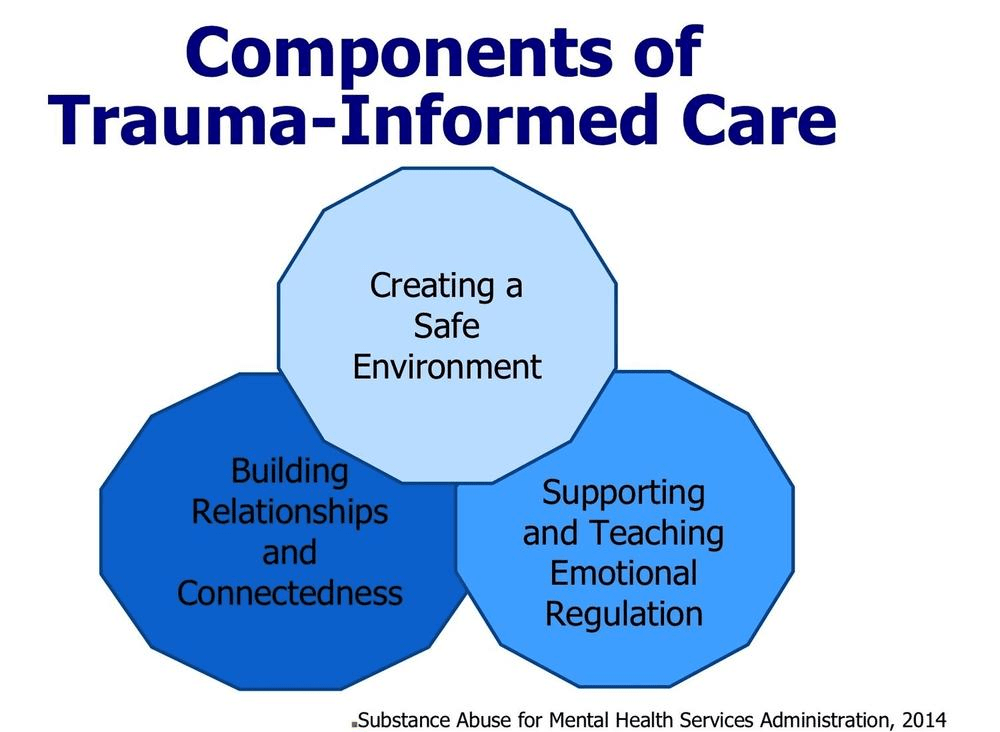
I have found it helpful to keep in mind psychologist Howard Bath’s three tenets of trauma-informed care: safety, connection, and emotional regulation. Although the COVID-19 crisis precludes teachers’ ensuring students’ physical safety, there is much we can do to create online learning environments that feel safe—that foster connection and emotional regulation as we all face uncertainty and potential trauma. “Even as you are helping your students through this difficult time, be sure to honor your own limits as well.”
Research suggests that when adversity feels like a shared experience, we cope better—not only emotionally, but neurologically. That’s (partly) why we should be integrating storytelling into online learning. From teenagers who take to Twitter while mourning the death of a close friend, to middle schoolers who whisper to the paper cutout of an ear taped to their classroom door, trauma studies reveal that the very act of formulating and articulating narratives about our lived realities offers reprieve and promotes resilience.
In your online community, be forthright about your care and concern for students and the contexts in which they find themselves. Establish yourself as a safe person to whom they can turn for support. Do this by directly acknowledging the circumstances we are in and being honest about how this situation impacts you.
Though it is always important to maintain appropriate boundaries with students, calibrated reciprocity is a key component of storytelling. Naming emotions (“I’m feeling stressed and confused”) can teach students, by modeling, that it is healthy to experience, articulate, and process emotions in community. Especially in difficult times.
Countless trauma studies also suggest that establishing a sense of routine in the face of stress helps students maintain (or regain) feelings of control, ensuring that they know what to expect. Something as small as a schedule can help give structure to students’ days in times of upheaval, when very little feels familiar. Imbue online-learning rhythms into your routine: Check in at the same time of day; require reading assignments during a set period; build into your schedule times for debriefing, sharing stories of solidarity, or moments of mindfulness. Knowing what to expect helps calm students and quell concern.
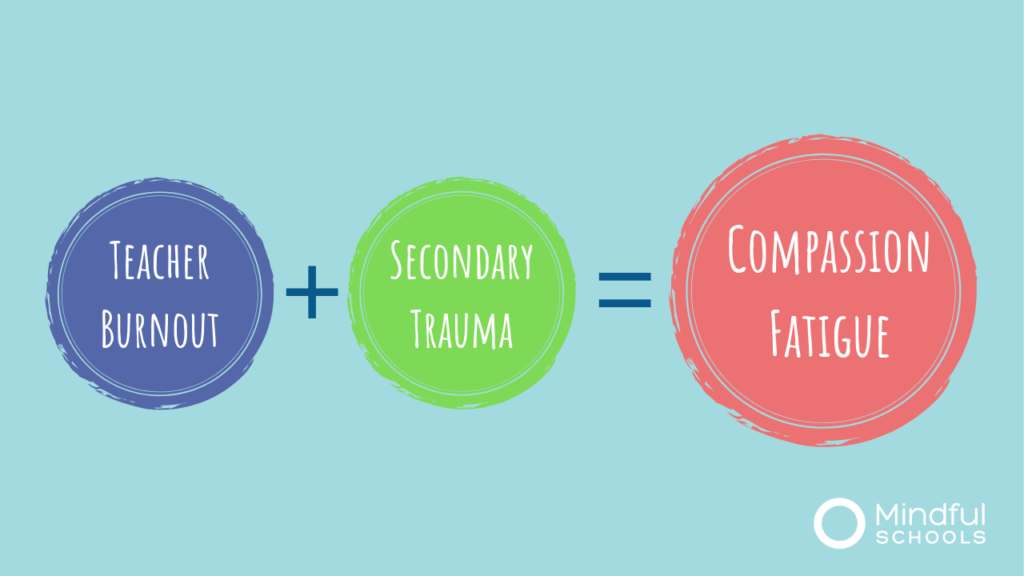
Even as you are helping your students through this difficult time, be sure to honor your own limits as well. Secondary traumatic stress, or compassion fatigue, occurs in helping professionals who are routinely exposed to others’ traumas. Stress changes our brains and behaviors, making emotional regulation much harder to achieve. This doesn’t just mean that the young people we teach may be coming to us dysregulated; we, too, may be teaching from a place of dysregulation. When students’ traumas exacerbate our own, we may respond with a number of self-protective but misaligned mechanisms: retreating rather than reaching out, reacting with frustration, avoidance, denial.
Though paradoxical, these responses often come from a place of caring. We care about young people’s well-being, and we feel powerless to change their circumstances as we witness their pain. This—coupled with the distancing inherent in virtual education—can breed feelings of saturation, isolation, and helplessness, which are precursors to and symptoms of secondary traumatic stress.
Build into your remote working routine time away from screens. Call a colleague, friend, or family member. Get outside if you are able. Read. Cook. Write letters. Protect your emotional reserves so that you may receive students’ distress in a way that meets them where they are, validates what they’re going through, and promotes everyone’s attainment of—and attunement to—emotional regulation.
Know, also, that psychological studies reveal perceived support availability—the sense that one could turn to a circle of connection for help should one need to—is critical to, and perhaps more important than, actual proximity and intervention. This means that virtual reach-outs—letting your students know that you are there and that you care—can make a real difference in their lives, no matter how inadequate it may feel to you.
Remember that education transcends test scores and curricular continuity. Sing out in your own way–fostering connections across generations, time, and space. We need each other, now, and our joining together is itself a defense—an inoculation—against that which seeks to divide us.
Four Core Priorities for Trauma-Informed Distance Learning
Taken from the article Four Core Priorities for Trauma-Informed Distance Learning by Kara Newhouse Apr 6, 2020
Trauma-informed teaching cannot be simplified to cookie-cutter practices. Take this example: a teacher worked with a student to develop a silent signal that he could use when he needed extra breaks during class. Hearing how well it worked, another teacher tried to apply the signal without first building a relationship with the student. It bombed. With the second teacher, the signal became “an angry ear tug instead of a trauma-informed ear tug,” said Alex Shevrin Venet, who shared this story during a recent webinar on trauma-informed distance learning.
Venet is a college professor and consultant who facilitates professional development on implementing trauma-informed practices. She offered her webinar after seeing that, amid the COVID-19 pandemic, “many teachers were reckoning with their own experiences of overwhelming stress and anxiety and for some this offered a new window into what it feels like for students who experience overwhelming stress regularly.” Registration reached its max capacity of 300 participants for all four sessions she offered.
As shown by the ear tug story, what trauma-informed teaching looks like varies for different teachers and students. For that reason, Venet has developed “four core priorities,” rather than “strategies,” for trauma-informed classrooms. During her webinars, she explained the four priorities and how to consider them in the context of distance learning.
Predictability
Trauma can create “intense feelings of unpredictability,” said Venet, and whether students have experienced trauma or not, COVID-19 has upended normal life for kids and adults alike. The loss of our usual habits can cause shock and grief, so one way educators and parents can prioritize predictability is by creating routines. Pennsylvania teacher Elizabeth Raff, for instance, posts a check-in video for her students at the same time every day.
In addition to creating new routines, Venet encouraged teachers to “notice what’s normal” and apply familiar practices to distance learning. With her undergraduate students, she has transferred their usual opening activity, “roses and thorns,” to a message board conversation. And just as teachers might normally schedule a calming activity such as read-aloud after lunch or recess, she recommended planning for dysregulation during distance learning. If a class is meeting through Google Meet, for instance, students may be anxious or excited to see their peers. Creating an opportunity to connect before jumping into instruction will help them be better able to engage in learning.
Flexibility
Because trauma involves a loss of control, inflexible teaching methods can trigger some students into survival mode. Venet encouraged teachers to notice what students need and collaborate with them to find routines, resources and strategies that will best support them. While physical schools provide some level of uniformity, at home the learning environment for each student looks different. Some students have limited Internet or computer access. Some may be responsible for caring for younger siblings while parents work. And some may be working jobs of their own. Venet advised teachers to ask what’s really important in education at this time. Does it matter if students are logging on at a certain time? Can grading be switched to a pass/fail system?
When possible, teachers can ask parents for insights into what their children need right now. For some kids, school work gives them a healthy focus. For others, self-care may be the priority. Venet shared an adage for staying flexible: “there are different paths up the mountain.”
Connection
Relationships are key to resilience, “so anything that teachers can do to help foster relationships should be a priority right now,” said Venet. She’s heard from parents that some teachers are sending impersonal emails checking on whether students have logged into online learning. Such emails can have unintended consequences because people affected by trauma sometimes interpret neutral signals as negative. “I invite (educators) to be crystal, crystal clear with students that you miss them and you care about them,” Venet said. And because the coronavirus pandemic has disrupted many types of relationships, she recommended that teachers also consider how to help students connect with each other, with family and with their community.
Empowerment
Trauma takes power from people, so trauma-informed educators need to think critically about not reproducing that dynamic. Venet said that means dropping power struggles, such as the demands she’s seen that students wear certain clothes or sit in certain parts of their house during distance learning. Rigid expectations can create barriers to learning for trauma-affected students. Educators should focus instead on empowering students through shared decision-making and authentic choice. They also need to model consent by not taking pictures of Zoom calls or sharing students’ work without permission, Venet noted.
Empowerment applies to assignments, as well. “Now more than ever, kids don’t need to be doing fake work. They don’t need to be doing worksheets,” said Venet. “Give them problems to solve. Ask what they’re interested in. There’s so much data coming out right now for them to be working with. There’s so many stories coming out … Give them tools to think about ‘How am I affecting the world around me?’”
It was the end of the world as we knew it, and I felt fine. That’s almost exactly what I told my psychiatrist at my March 16 appointment, a few days after our children’s school district extended spring break because of the coronavirus. I said the same at my April 27 appointment, several weeks after our state’s stay-at-home order.
Yes, it was exhausting having a kindergartener and fourth grader doing impromptu distance learning while I was barely keeping up with work. And it was frustrating to be stuck home nonstop, scrambling to get in grocery delivery orders before slots filled up, and tracking down toilet paper. But I was still doing well because I thrive in high-stress emergency situations. It’s exhilarating for my ADHD brain. As just one example, when my husband and I were stranded in Peru during an 8.0-magnitude earthquake that killed thousands, we walked around with a first aid kit helping who we could and tracking down water and food. Then I went out with my camera to document the devastation as a photojournalist and interview Peruvians in my broken Spanish for my hometown paper.
Now we were in a pandemic, and I’m a science journalist who has written about infectious disease and medical research for nearly a decade. I was on fire, cranking out stories, explaining epidemiological concepts in my social networks, trying to help everyone around me make sense of the frightening circumstances of a pandemic and the anxiety surrounding the virus.
In those early months, I, along with most of the rest of the country, was using “surge capacity” to operate, as Ann Masten, PhD, a psychologist and professor of child development at the University of Minnesota, calls it. Surge capacity is a collection of adaptive systems — mental and physical — that humans draw on for short-term survival in acutely stressful situations, such as natural disasters. But natural disasters occur over a short period, even if recovery is long. Pandemics are different — the disaster itself stretches out indefinitely.
“The pandemic has demonstrated both what we can do with surge capacity and the limits of surge capacity,” says Masten. When it’s depleted, it has to be renewed. But what happens when you struggle to renew it because the emergency phase has now become chronic?
By my May 26 psychiatrist appointment, I wasn’t doing so hot. I couldn’t get any work done. I’d grown sick of Zoom meetups. It was exhausting and impossible to think with the kids around all day. I felt trapped in a home that felt as much a prison as a haven. I tried to conjure the motivation to check email, outline a story, or review interview notes, but I couldn’t focus. I couldn’t make myself do anything — work, housework, exercise, play with the kids — for that whole week.
Or the next.
Or the next.
Or the next.
I know depression, but this wasn’t quite that. It was, as I’d soon describe in an emotional post in a social media group of professional colleagues, an “anxiety-tainted depression mixed with ennui that I can’t kick,” along with a complete inability to concentrate. I spoke with my therapist, tweaked medication dosages, went outside daily for fresh air and sunlight, tried to force myself to do some physical activity, and even gave myself permission to mope for a few weeks. We were in a pandemic, after all, and I had already accepted in March that life would not be “normal” for at least a year or two. But I still couldn’t work, couldn’t focus, hadn’t adjusted. Shouldn’t I be used to this by now?
“Why do you think you should be used to this by now? We’re all beginners at this,” Masten told me. “This is a once in a lifetime experience. It’s expecting a lot to think we’d be managing this really well.”
It wasn’t until my social media post elicited similar responses from dozens of high-achieving, competent, impressive women I professionally admire that I realized I wasn’t in the minority. My experience was a universal and deeply human one.
An unprecedented disaster
While the phrase “adjusting to the new normal” has been repeated endlessly since March, it’s easier said than done. How do you adjust to an ever-changing situation where the “new normal” is indefinite uncertainty?
“I think we maybe underestimate how severe the adversity is and that people may be experiencing a normal reaction to a pretty severe and ongoing, unfolding, cascading disaster,” Masten says. “It’s important to recognize that it’s normal in a situation of great uncertainty and chronic stress to get exhausted and to feel ups and downs, to feel like you’re depleted or experience periods of burnout.”
Research on disaster and trauma focuses primarily on what’s helpful for people during the recovery period, but we’re not close to recovery yet. People can use their surge capacity for acute periods, but when dire circumstances drag on, Masten says, “you have to adopt a different style of coping.”
“How do you adjust to an ever-changing situation where the ‘new normal’ is indefinite uncertainty?”
Understanding ambiguous loss
It’s not surprising that, as a lifelong overachiever, I’ve felt particularly despondent and adrift as the months have dragged on, says Pauline Boss, PhD, a family therapist and professor emeritus of social sciences at the University of Minnesota who specializes in “ambiguous loss.”
“It’s harder for high achievers,” she says. “The more accustomed you are to solving problems, to getting things done, to having a routine, the harder it will be on you because none of that is possible right now. You get feelings of hopelessness and helplessness, and those aren’t good.”
That’s similar to how Michael Maddaus, MD, a professor of thoracic surgery at the University of Minnesota, felt when he became addicted to prescription narcotics after undergoing several surgeries. Now recovered and a motivational speaker who promotes the idea of a “resilience bank account,” Maddaus had always been a fast-moving high achiever — until he couldn’t be.
“I realized that my personal operating system, though it had led to tremendous success, had failed me on a more personal level,” he says. “I had to figure out a different way of contending with life.”
That mindset is an especially American one, Boss says.
“Our culture is very solution-oriented, which is a good way of thinking for many things,” she says. “It’s partly responsible for getting a man on the moon and a rover on Mars and all the things we’ve done in this country that are wonderful. But it’s a very destructive way of thinking when you’re faced with a problem that has no solution, at least for a while.”
That means reckoning with what’s called ambiguous loss: any loss that’s unclear and lacks a resolution. It can be physical, such as a missing person or the loss of a limb or organ, or psychological, such as a family member with dementia or a serious addiction.
“In this case, it is a loss of a way of life, of the ability to meet up with your friends and extended family,” Boss says. “It is perhaps a loss of trust in our government. It’s the loss of our freedom to move about in our daily life as we used to.” It’s also the loss of high-quality education, or the overall educational experience we’re used to, given school closures, modified openings and virtual schooling. It’s the loss of rituals, such weddings, graduations, and funerals, and even lesser “rituals,” such as going to gym. One of the toughest losses for me to adapt to is no longer doing my research and writing in coffee shops as I’ve done for most of my life, dating back to junior high.
“These were all things we were attached to and fond of, and they’re gone right now, so the loss is ambiguous. It’s not a death, but it’s a major, major loss,” says Boss. “What we used to have has been taken away from us.”
Just as painful are losses that may result from the intersection of the pandemic and the already tense political division in the country. For many people, issues related to Covid-19 have become the last straw in ending relationships, whether it’s a family member refusing to wear a mask, a friend promoting the latest conspiracy theory, or a co-worker insisting Covid-19 deaths are exaggerated.
Ambiguous loss elicits the same experiences of grief as a more tangible loss — denial, anger, bargaining, depression, and acceptance — but managing it often requires a bit of creativity.
A winding, uncharted path to coping in a pandemic
While there isn’t a handbook for functioning during a pandemic, Masten, Boss, and Maddaus offered some wisdom for meandering our way through this.
Accept that life is different right now
Maddaus’ approach involves radical acceptance. “It’s a shitty time, it’s hard,” he says. “You have to accept that in your bones and be okay with this as a tough day, with ‘that’s the way it is,’ and accept that as a baseline.”
But that acceptance doesn’t mean giving up, he says. It means not resisting or fighting reality so that you can apply your energy elsewhere. “It allows you to step into a more spacious mental space that allows you to do things that are constructive instead of being mired in a state of psychological self torment.”
Expect less from yourself
Most of us have heard for most of our lives to expect more from ourselves in some way or another. Now we must give ourselves permission to do the opposite. “We have to expect less of ourselves, and we have to replenish more,” Masten says. “I think we’re in a period of a lot of self discovery: Where do I get my energy? What kind of down time do I need? That’s all shifted right now, and it may take some reflection and self discovery to find out what rhythms of life do I need right now?”
She says people are having to live their lives without the support of so many systems that have partly or fully broken down, whether it’s schools, hospitals, churches, family support, or other systems that we relied on. We need to recognize that we’re grieving multiple losses while managing the ongoing impact of trauma and uncertainty. The malaise so many of us feel, a sort of disinterested boredom, is common in research on burnout, Masten says. But other emotions accompany it: disappointment, anger, grief, sadness, exhaustion, stress, fear, anxiety — and no one can function at full capacity with all that going on.
Recognize the different aspects of grief
The familiar “stages” of grief don’t actually occur in linear stages, Boss says, but denial, anger, bargaining, depression, and acceptance are all major concepts in facing loss. Plenty of people are in denial: denying the virus is real, or that the numbers of cases or deaths are as high as reported, or that masks really help reduce disease transmission.
Anger is evident everywhere: anger at those in denial, anger in the race demonstrations, anger at those not physically distancing or wearing masks, and even anger at those who wear masks or require them. The bargaining, Boss says, is mostly with scientists we hope will develop a vaccine quickly. The depression is obvious, but acceptance… “I haven’t accepted any of this,” Boss says. “I don’t know about you.”
Sometimes acceptance means “saying we’re going to have a good time in spite of this,” Boss says, such as when my family drove an hour outside the city to get far enough from light pollution to look for the comet NEOWISE. But it can also mean accepting that we cannot change the situation right now.
“We can kick and scream and be angry, or we can feel the other side of it, with no motivation, difficulty focusing, lethargy,” Boss says, “or we can take the middle way and just have a couple days where you feel like doing nothing and you embrace the losses and sadness you’re feeling right now, and then the next day, do something that has an element of achievement to it.”
“Our new normal is always feeling a little off balance, like trying to stand in a dinghy on rough seas, and not knowing when the storm will pass.”
Experiment with “both-and” thinking
This approach may not work for everyone, but Boss says there’s an alternative to binary thinking that many people find helpful in dealing with ambiguous loss. She calls it “both-and” thinking, and sometimes it means embracing a bit of the irrational.
For the families of soldiers missing in action in Vietnam that Boss studied early in her career, or the family members of victims of plane crashes where the bodies aren’t recovered, this type of thinking means thinking: “He is both living and maybe not. She is probably dead but maybe not.”
“If you stay in the rational when nothing else is rational, like right now, then you’ll just stress yourself more,” she says. “What I say with ambiguous loss is the situation is crazy, not the person. The situation is pathological, not the person.”
An analogous approach during the pandemic might be, “This is terrible and many people are dying, and this is also a time for our families to come closer together,” Boss says. On a more personal level, “I’m highly competent, and right now I’m flowing with the tide day-to-day.”
It’s a bit of a Schrödinger’s existence, but when you can’t change the situation, “the only thing you can change is your perception of it,” she says.
Of course, that doesn’t mean denying the existence of the pandemic or the coronavirus. As Maddaus says, “You have to face reality.” But how we frame that reality mentally can help us cope with it.
Look for activities, new and old, that continue to fulfill you
Lots of coping advice has focused on “self-care,” but one of the frustrating ironies of the pandemic is that so many of our self-care activities have also been taken away: pedicures, massages, coffee with friends, a visit to the amusement park, a kickboxing class, swimming in the local pool — these activities remain unsafe in much of the country. So we have to get creative with self-care when we’re least motivated to get creative.
“When we’re forced to rethink our options and broaden out what we think of as self-care, sometimes that constraint opens new ways of living and thinking,” Masten says. “We don’t have a lot of control over the global pandemic but we do over our daily lives. You can focus on plans for the future and what’s meaningful in life.”
For me, since I missed eating in restaurants and was tired of our same old dinners, I began subscribing to a meal-kit service. I hate cooking, but the meal kits were easy, and I was motivated by the chance to eat something that tasted more like what I’d order in a restaurant without having to invest energy in looking through recipes or ordering the right ingredients.
Okay, I’ve also been playing a lot of Animal Crossing, but Maddaus explains why it makes sense that creative activities like cooking, gardening, painting, house projects — or even building your own imaginary island out of pixels — can be fulfilling right now. He references the book The Molecule of More, which explores how dopamine influences our experiences and happiness, in describing the types of activities most likely to bring us joy.
“There are two ways the brain deals with the world: the future and things we need to go after, and the here and now, seeing things and touching things,” Maddaus says. “Rather than being at the mercy of what’s going on, we can use the elements of our natural reward system and construct things to do that are good no matter what.”
Those kinds of activities have a planning element and a here-and-now experience element. For Maddaus, for example, it was simply replacing all the showerheads and lightbulbs in the house. “It’s a silly thing, but it made me feel good,” he says.
Focus on maintaining and strengthening important relationships
The biggest protective factors for facing adversity and building resilience are social support and remaining connected to people, Masten says. That includes helping others, even when we’re feeling depleted ourselves.
“Helping others is one of those win-win strategies of taking action because we’re all feeling a sense of helplessness and loss of control about what’s going on with this pandemic, but when you take action with other people, you can control what you’re doing,” she says. Helping others could include checking in on family friends or buying groceries for an elderly neighbor.
Begin slowly building your resilience bank account
Maddaus’ idea of a resilience bank account is gradually building into your life regular practices that promote resilience and provide a fallback when life gets tough. Though it would obviously be nice to have a fat account already, he says it’s never too late to start. The areas he specifically advocates focusing on are sleep, nutrition, exercise, meditation, self-compassion, gratitude, connection, and saying no.
“Start really small and work your way up,” he says. “If you do a little bit every day, it starts to add up and you get momentum, and even if you miss a day, then start again. We have to be gentle with ourselves and keep on, begin again.”
After spending an hour on the phone with each of these experts, I felt refreshed and inspired. I can do this! I was excited about writing this article and sharing what I’d learned.
And then it took me two weeks to start the article and another week to finish it — even though I wanted to write it. But now, I could cut myself a little more slack for taking so much longer than I might have a few months ago. I might have intellectually accepted back in March that the next two years (or more?) are going to be nothing like normal, and not even predictable in how they won’t be normal. But cognitively recognizing and accepting that fact and emotionally incorporating that reality into everyday life aren’t the same. Our new normal is always feeling a little off balance, like trying to stand in a dinghy on rough seas, and not knowing when the storm will pass. But humans can get better at anything with practice, so at least I now have some ideas for working on my sea legs.
Excerpts and modified from the article “Teachers Are Anxious and Overwhelmed. They Need SEL Now More Than Ever” written by Christina Cipriano and Marc Brackett published in EdSurge.
In the span of just three days, over 5,000 U.S. teachers responded to the survey. They asked them to describe, in their own words, the three most frequent emotions they felt each day.
The five most-mentioned feelings among all teachers were: anxious, fearful, worried, overwhelmed and sad. Anxiety, by far, was the most frequently mentioned emotion.
The reasons educators gave for these stress-related feelings could be divided into two buckets. The first is mostly personal, including a general fear that they or someone in their family would contract COVID-19, the new coronavirus. The second pertains to their stress around managing their own and their families’ needs while simultaneously working full-time from home and adapting to new technologies for teaching.
Once distance learning had gone into effect, we heard from one educator who shared:
“My vision of finally having someone else take care of my own kids’ education, even virtually, was smashed to smithereens. This requires 100% parent involvement, actually 200% because my kids are in two different grades!”
Given the unexpected new demands our educators are facing, we might assume that how teachers are feeling now is entirely different from the emotions they were experiencing before the pandemic. But is it?
In 2017, our center conducted a similar survey on teachers’ emotions. A national sample of over 5,000 educators answered the same questions about how they were feeling.
Back then, the top five emotions were: frustrated, overwhelmed, stressed, tired and happy. The primary source of their frustration and stress pertained to not feeling supported by their administration around challenges related to meeting all of their students’ learning needs, high-stakes testing, an ever-changing curriculum and work/life balance.
The research findings are echoed across a growing body of research on teachers’ stress and burnout.
In one study, 85 percent of teachers reported that work-life imbalance was affecting their ability to teach. Other research has shown that at least 30 percent of teachers leave the profession within their first five years of teaching. Like this research, these studies found that the general causes of teacher stress and burnout are related to a lack of strong leadership and a negative climate, as well as increased job demands, especially around testing, addressing challenging student behaviors, a lack of autonomy and decision-making power, and limited-to-no training in social and emotional learning (SEL) to support educators’ and students’ emotional needs.
So, before the pandemic, America’s teachers were already burning out. Add in new expectations of becoming distance learning experts to support uninterrupted learning for all their students and caring for the ever-evolving demands of their families, and it’s no surprise that 95 percent of the feelings they reported recently are rooted in anxiety.
We can’t control what is happening to us and around us, but we can control how we respond to it.
Emotions Matter
An anonymous teacher who filled out our most recent survey described the balancing act like this:
“There is this huge dissonance right now between the messages such as ‘be well’ and ‘take care of yourself’ at the end of emails, and ‘in this time of uncertainty.’ Yet we have to partake in multiple seminars, read links related to online instruction, legal requirements in special ed, due process, timelines, etc. Everyone needs to be reminded again about how the brain works.”
At the Yale Center for Emotional Intelligence, we study how emotions drive effective teaching and learning, the decisions educators make, classroom and school climate, and educator well-being. We assert that educators’ emotions matter for five primary reasons:
Emotions matter for attention, memory and learning. Positive emotions like joy and curiosity harness attention and promote greater engagement. Emotions like anxiety and fear, especially when prolonged, disrupt concentration and interfere with thinking. Chronic stress, especially when poorly managed, can result in the persistent activation of the sympathetic nervous system and the release of stress hormones like cortisol. Prolonged release of this and other neurochemicals impacts brain structures associated with executive functioning and memory, diminishing our ability to be effective.
Emotions matter for decision-making. When we’re overwhelmed and feeling scared and stressed, the areas of our brains responsible for wise decision-making also can become “hijacked.” In contrast, the experience of more positive states like joy and interest tend to help people evaluate individuals, places and events more favorably compared to people experiencing more unpleasant emotions. Pleasant emotions also have been shown to enhance mental flexibility and creativity, which are key to navigating the novel and evolving demands of living through a pandemic.
Emotions matter for relationships. How we feel and how we interpret the feelings of others sends signals for other people to either approach or avoid us. Expressing anxiety or frustration (e.g. in their facial expressions, body language, vocal tone or behavior) is likely to alienate students, which can impact students’ sense of safety in the classroom—and likely at home in a virtual learning environment—thereby having a negative influence on learning. For most students, a successful distance learning experience will require a solid partnership between teachers and families.
Emotions matter for health and well-being. How we feel influences our bodies, including physical and mental health. Stress is associated with increased levels of cortisol, which has been shown to lead to both physical and mental health challenges, including depression and weight gain. Both the ability to regulate unpleasant emotions and the experience of more pleasant emotions have been shown to have health benefits, including fostering greater resilience during and after traumatic events.
Emotions matter for performance. Chronic stress is linked to decreases in motivation and engagement, both of which lead to burnout. Teachers who experience burnout have poorer relationships with students and are also less likely to be positive role models for healthy self-regulation—for their students and their families.
You get the picture: When educators answer the question about how they feel at school—or, in our most recent study, as an at-home educator—we learn they spend a big part of their workday in a pretty dark place.
Teachers with more developed emotion skills tend to report less burnout and greater job satisfaction. These skills include the ability to recognize emotions accurately, understand their causes and consequences, label them precisely, express them comfortably and regulate them effectively. But the challenge is that most teachers have not received a formal education in emotion skills.
We need a greater focus on teachers’ health and well-being now, so they can thrive through this pandemic and be psychologically ready to return to school after this has passed.
Supporting Educators’ Well-Being
We know how anxious teachers (and, really, everyone else) are feeling right now. But have we thought about how we want to feel?
Previously, we asked teachers how they want to feel at school, and they’ve answered loud and clear. A few of the top hoped-for emotions were: happy, inspired, valued, supported, effective and respected.
The more sensitive we can be to our educators’ emotional needs today, the better we’ll be able to support them now and when schools reopen. The space between how we feel and how we want to feel presents an opportunity to work together to improve the emotional climate of our homes and schools. The emotional climate is the feelings and emotions a learning space evokes; that space includes both the physical one and the learning climate that is evoked through the interactions between and among educators and students. This can be applied to traditional school settings and to a virtual one.
We need to understand how our teachers want to feel, again, and then support them with what they’ll need to experience these feelings.
In the same survey we conducted at the end of March, we asked teachers to share some reflections about what they need to have greater emotional balance. Responses included time to adjust to the new normal of online learning and ways to make virtual learning fun and engaging. Teachers also expressed a strong need for honesty, respect, kindness, flexibility and patience from their school administrators. Further, they requested more realistic expectations, including boundaries around working around the clock. Among the top requests were strategies to support their own and their students’ wellness and resilience.
We are living through a pandemic that most of us could never have imagined. And, as we’ve shared, our educators are not in the best emotional shape. Today’s teachers, counselors and school leaders are experiencing greater anxiety, stress and burnout than ever before. If we just hope for the best, more and more educators will fall by the wayside. Fortunately, an increasing number of schools are seeing the benefits of SEL, not just for students, but for educators’ own skill development.
The time has come for all schools to address the missing link in what will help educators’ thrive—a greater focus on all adults’ health and well-being. If we want our educators to be successful—both personally and professionally—schools must be places that bring out the best in them.
The Oregon Education Association has been implementing a OEA/321 Insight Trauma-Informed Schools Webinar Series this past year. April’s session provided a practical discussion of the dimensions of regulation and how educators can help themselves by developing foundational skills in self-regulation as well as a number of other critical self-care topics.
Description: Self-Care: During this time of increased stress and uncertainty, educators are being asked to step into roles they are not prepared for. This can increase your own stress and decrease your effectiveness at a time when students need you more than ever. In addition, most educators are also providing support and care to family members and/or friends. Self-care in this time is of the utmost importance. You can listen to the entire webinar Self Care and Wellness for Educators-Building Resilience During the COVID-19 Pandemic and Beyond, by clicking on the link below: https://www.youtube.com/watchv=jbTMBY5MEMQ&feature=youtu.be
Next week’s session is particularly relevant:
Description: Trauma-Informed Practices and Social Emotional Learning: This session will discuss the ways in which trauma-informed practices and social and emotional learning efforts can complement each other, areas in which they overlap, and important things to consider when trying to implement both efforts. See link below if you would like to register:
We know that in some districts, schools have just closed, while in others, there’s an expectation that classes will shift to distance learning. This change can be a challenge for educators as well as students. From a trauma-informed standpoint, what do educators need to be conscious of as they navigate this transition? This post offers expert advice on how to use trauma-informed curriculum while teaching students — whoever is doing it.
Relationships and well-being can take priority over assignment and behavioral compliance.
Now more than ever, students should feel valued and welcome regardless of their background or identity. Students will fare best if they know their teachers care about their well-being just as much as their behavior and assignment compliance.
Educators can display their investment by creating relational rituals before checking on distance learning assignments with students. For example, students and educators can share one tough moment and one hopeful moment of the day, or educators and students can share one new lesson they learned about themselves during the day. Participating in these shares can help educators build and maintain connection despite the distance.
Consider creating a check-in using a Google form that asks first about a positive part of their day. Then inquire specifically about a student’s mental state. Using multiple-choice answers can help students feel less intimidated to complete the check-in. Offer choices such as “I’m great,” “I’m OK,” “I’m struggling,” or “I’m having a hard time and would like a check-in.”
What are a few key points educators need to understand about stress, trauma and their effects? Are there specific approaches to student support they should be prioritizing during this crisis?
When people are facing stress and difficult life circumstances, it can particularly affect these areas: a sense of safety and feelings of connectedness. In each of these areas, educators can make an impact.
A sense of safety
A sense of safety is the belief that your needs — and the needs of those you care about — will be met. It is a belief that you will be protected from harm and that those around you will be safe. Educators can expect that many students’ sense of safety will be compromised right now. None of us have ever seen a time like this, when institutions that provide safety and structure are closed, and the news talks about death rates and hospital bed shortages. For the many families that are experiencing or will experience significant income loss, this crisis may also mean food insecurity or an inability to pay rent and bills — all of which can severely damage a child’s sense of safety.
But there are steps educators can take to support a sense of safety in children. They can:
Reach out, provide space and encourage students to connect with them or another trusted adult or counselor to talk about their safety concerns. Offer students a way to connect if there is something that they need help with or are worried about.
Encourage students to talk to friends or family members on the phone.
Encourage families and caregivers to avoid watching the news in front of their children (as that can be upsetting), keep as much of a regular family routine as possible, and plan activities such as going for walks or hikes or playing board or video games together.
Connectedness
Connectedness refers to having relationships with others who can understand and support you. As we are practicing social distancing and have closed most public places, educators will need to get creative to help students feel connected.
To foster a sense of connectedness, educators can:
Plan activities through the use of web-conferencing sites that allow students to see, hear and interact with each other and their teacher.
Talk directly about the importance of connecting with others.
Incorporate space for fun activities into online lesson plans or take-home packets.
Protection, Prevention of Coronavirus Covid-19
In addition to the suggestions above, are there any activities for students (either for online classes or that students can do independently) that you recommend educators try?
There are many social emotional learning practices and wellness activities that teachers can encourage students to complete independently or online. Some possible social emotional and wellness practices can include the following:
Recommend quick mindfulness or self-soothing exercises such as smelling a flower or completing deep breathing before completing the lesson.
Have students complete a virtual gratitude journal.
Help students create self-care plans. Ask students to identify support structures, people, and activities that help them feel better. Have them create creating a simple list of activities that make one feel calm or happy, such as music, exercise, coloring, art, or meditation. Generate a list of people whom they currently interact with daily in their everyday life and who currently help support their daily needs. Ask students to list stressors that might act as speed bumps to their mental well-being. Then help them create a plan to address each of the stressors and barriers using tools from the support section.
Are there students in particular situations that educators should be keeping closer contact with during this period?
While not all families have a history of exposure to trauma, children with identified histories of trauma may be especially vulnerable to the impact of significant changes in schedule, routine and expectations that come with social distancing, canceled classes, remote learning and reliance on caregivers for academics.
Other students may also be at additional risk during this time:
students who have had anxiety;
students who have depression or suicidal ideation;
students who have learning and attention disorders;
students whose families may have lost jobs or income;
students who have loved ones particularly vulnerable to the covid-19 virus;
students who have a caregiver who is a health-care worker or in another occupation where they are exposed to the virus or are being asked to respond in an intense way;
students who may be less supervised because of caregivers’ work.
What steps do you recommend for educators who want to be there for their students but who might also be dealing with their own stress right now?
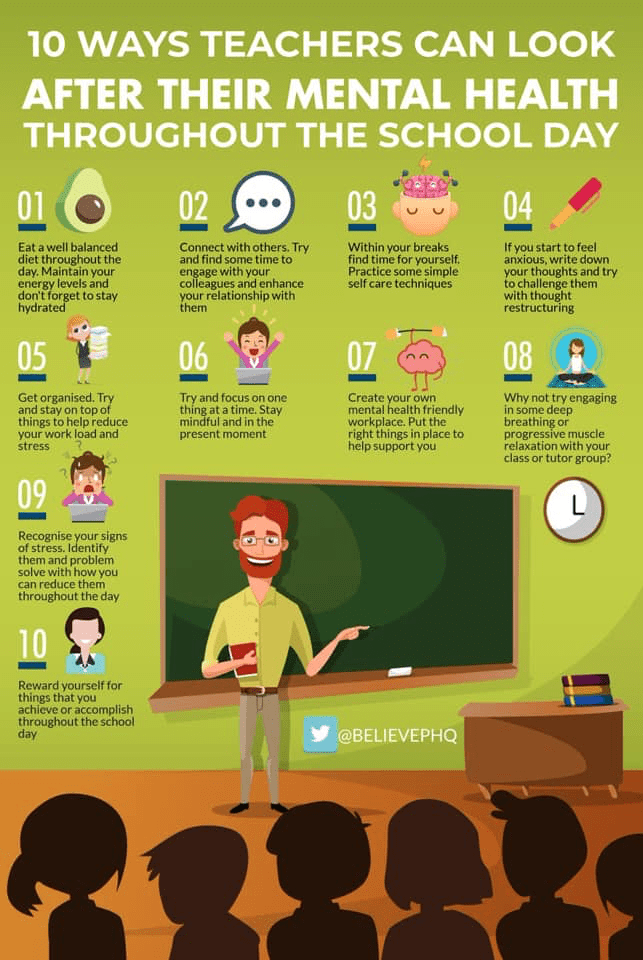
Practice self-kindness, and remember that it is best to take care of yourself before you try to take care of anyone else.
Take time to check in with yourself to gain insight into where you may be struggling. Once you identify the issues, work to create a plan to address the issues you can control and to work on letting go of the ones you cannot.
Utilize social supports as needed. Consider planning a virtual coffee break or lunch hour with colleagues or other educators, where you might share strategies that are or are not working, talk about what you’re cooking or watching on Netflix, and experience a much-needed sense of community
Create a routine that includes getting up at a regular time, getting ready and dressed for the day, a work schedule, some way to move your body and some breaks to connect to others.
Are there any specific resources, articles or other information you recommend?
Some of the answers above were adapted from the National Child Traumatic Stress Network (NCTSN) publications, including:
Educators, counselors, and other support staff who work with students exposed to trauma are at risk of being indirectly traumatized as a result of hearing about their students’ experiences and witnessing the negative effects.
Secondary Traumatic Stress and Related Conditions Secondary traumatic stress (STS) is the emotional distress that results when an individual hears about the traumatic experiences of another individual. Distress may result from hearing someone’s trauma stories, seeing high levels of distress in the aftermath of a traumatic event, needing to retell a student’s story, and/or seeing photos or images related to the trauma.
Common symptoms of STS include the following: ■ Increased anxiety and concern about safety ■ Intrusive, negative thoughts and images related to their students’ traumatic stories ■ Fatigue and physical complaints ■ Feeling numb or detached from students ■ Feeling powerless or hopeless about students and the work ■ Diminished concentration and difficulty with decision making ■ Desire to physically or emotionally withdraw from people or situations that trigger difficult thoughts and emotions
Several other terms capture elements of STS, but with some differences. -Burnout is characterized by emotional exhaustion, depersonalization, and a sense of reduced personal accomplishment. Although burnout also is work related, burnout develops as a result of general occupational stress; the term is not used specifically to describe the effects of indirect trauma exposure. -Compassion fatigue is a less stigmatizing way to describe STS and is sometimes used interchangeably with the term STS.
Vicarious trauma refers to internal changes in teachers and staff members who engage empathetically with students affected by trauma. It is a theoretical term describes the cumulative effects of secondary exposure to trauma.
Compassion satisfaction describes the positive feelings derived from competent performance as professional working with trauma survivors. It is characterized by positive relationships with colleagues and the conviction that one’s efforts contribute in a meaningful way to students, their families, and the community.
Risk Factors for STS and Related Conditions Any professional who works directly with people exposed to trauma and hears them recount their traumatic experiences is at risk of STS. Additional risk factors associated with STS and related conditions for professionals include the following: ■ Prior trauma exposure ■ Female gender ■ Inexperience in the field ■ Dose of exposure ■ Type of work ■ Young age
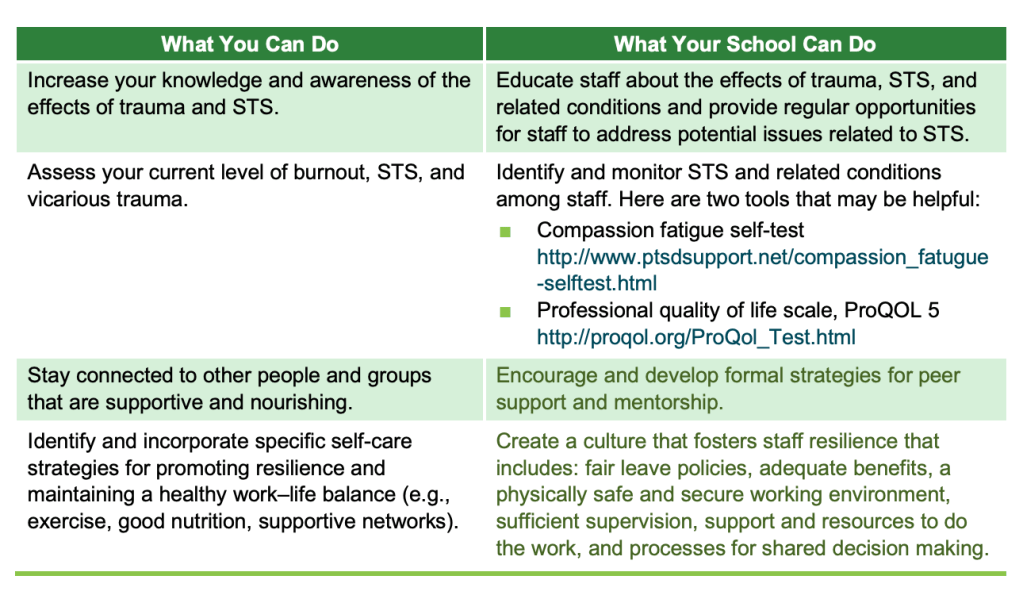
Tools for Staff Self-Care and Resilience A number of individual and system-level strategies effectively promote staff self-care and resilience. This section includes the following tools for supporting individual and schoolwide strategies for addressing and minimizing the effects of STS and related conditions: ■ Shared Strategies for Staff Self-Care and Resilience suggests individual and schoolwide strategies to support a culture of staff wellness. ■ Staff Self-Care Plan begins with a personal inventory of warning signs, proceeds to an assessment of self-care practices, and concludes with making a commitment to specific practices. ■ School Self-Care Plan offers a process similar to developing an individual self-care plan but for the entire school. ■ Shared Strategies for Staff Self-Care and Resilience
Creating a healthy work environment is a shared process that includes individual and school based strategies. Explore these ideas for what you can do and what your school can do to foster wellness for all.
Your phone goes with you everywhere, right? Then so should your self-care practice! Self-care apps are booming. Sensor Tower found that the top ten wellness apps made about 170% more money worldwide in the first quarter of 2018 than they did at the same time last year. Self-care is catching on! Here are a few apps to explore to get your self-care practice in gear.
Calm: Accessible on a web browser or as an app, Calm provides meditation, mindfulness, and sleep programs. Meditations are available for things like calming anxiety, developing focus, healing relationships, building self-esteem, and breaking habits, to name a few. There’s even a masterclass with Elizabeth Gilbert, author of Eat, Pray, Love and Big Magic: Creative Living Beyond Fear. To get started, try the 7 Days of Calm program for beginners.
Happify: Set mental health and well-being goals (like conquering negative thoughts, building self-confidence, reducing stress), and Happify will provide activities to help reach your goals. Happify’s “techniques are developed by leading scientists and experts who’ve been studying evidence-based interventions in the fields of positive psychology, mindfulness, and cognitive behavioral therapy for decades.” With a variety of plans starting at $11/month, this app is a simple-to-use portable self-care tool that will help you make self-care a priority.
Talkspace: Need someone to talk to? Need help sorting out your goals and keeping you accountable? Talkspace is therapy on your phone — when you need it. Get matched with licensed therapists and text, voice message, or video chat with your therapist from anywhere, 24/7. No need to make time for appointments or traveling. There are a variety of plans that are often cheaper than traditional therapy costs — and you can access help whenever you need it, not just once a week.
We all get busy, and it’s so easy to forget to focus on our well-being. When you feel your self-care resolve slipping away, gently remind yourself that you are a light in the lives of your students, your family, and your friends. In order to shine for others, you must take care of yourself. Tape up a self-care reminder so that you’re actively thinking about and working toward a more holistic approach to your health and well-being each day.
The OEA Choice Trust Resource Library is designed to align with the OEA Choice Trust School Employee Health, Well-being and Resilience Model. The resources available include, TED talks, webinars, podcasts, articles, activities and partner resources. Click here to learn more and get some creative ideas for your wellness program!
1. Trauma-Informed education is solely about a student’s ACE score: The ACE study conducted by Kaiser Permanente and the CDC is credited with increasing public awareness of the potential negative health outcomes of adults based on their adverse childhood experiences.
That increased awareness is good, but trauma-informed education is not solely concerned with students’ ACE score. We should use the ACE study as a catalyst to look deeper into understanding the broad scope of adversity that children are experiencing but that the study did not include. Trauma-informed education includes examining the influence and impact on students in our schools of factors such as racism (explicit, implicit, and systematic; and microaggressions) as well as poverty, peer victimization, community violence, and bullying.
2. Educators must know a student’s ACE score to successfully intervene: It is not imperative to know a child’s ACE score or specific traumatic experience to provide effective interventions. Being trauma-informed is a mindset with which educators approach all children.
Research indicates that strong, stable, and nurturing relationships foster a feeling of belonging that is essential for all students but is absolutely imperative for healing with students who have experienced trauma. Karen Treisman, a clinical psychology specialist, says, “Every interaction is an intervention.” As educators, we must understand the impact of daily positive interactions and affirmations for our students.
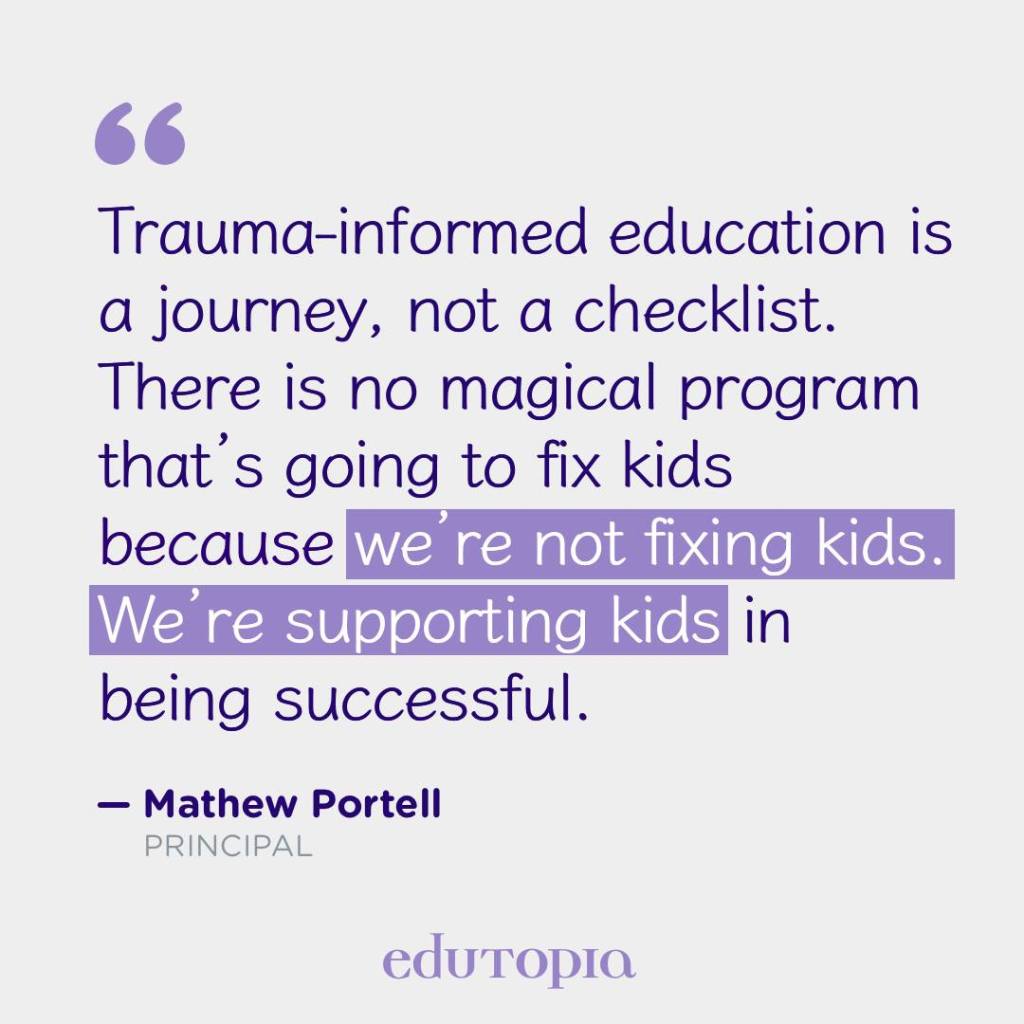
3. Trauma-informed education is about fixing kids: Our kids are not broken, but our systems are. Operating in a trauma-informed way does not fix children; it is aimed at fixing broken and unjust systems and structures that alienate and discard students who are marginalized.
If we view our trauma-informed approach as fixing kids, that creates a deficit mindset. Many kids are doing the best they can in the moment. We must meet all students where they are while supporting them with strong, stable, and nurturing relationships.
4. Trauma-informed educators don’t give students consequences for inappropriate behavior: There needs to be a clear understanding of the difference between consequences and punishment. Consequences by definition are designed to teach, while punishment relates to personal suffering.
It’s important to set clear boundaries and expectations and then to support students into success. When students do not meet expectations or disregard boundaries, it is imperative to teach and reteach the expectations through consistent consequences.
5. Sometimes you have to escalate a confrontation with a student to calm them down: Co-regulation is the idea of keeping calm in order to help calm a student who is experiencing anger, frustration, or fear. A dysregulated adult cannot regulate a dysregulated child. Raising our level of intensity is not a strategy that works.
We should instead use strategies that honor the student’s emotions and need for space while also getting their systems to calm in a safe way. This can be accomplished through first making sure that we really are calm and then by validating the student’s experiences and emotions in order to get to the root of what is causing those emotions.
This doesn’t mean excusing any poor choices the student may have made—it means ensuring that they’re in a state where they can understand and accept any consequences, which is necessary if they are to learn from the experience.
6. I’m a teacher, not a therapist—this isn’t my job: As educators explore the complexities of being trauma-informed, we need to remember that trauma-informed work is a journey and not a destination. It doesn’t mean that teachers need to do the work of professional therapists. Our part in helping students with trauma is focusing on relationships, just as we do with all of our students. The strong, stable, and nurturing relationships that we build with our students and families can serve as a conduit for healing and increasing resilience.
Becoming trauma-informed in our daily practice is truly a process of learning and adjustment, but it is a worthwhile process.
These practices can help kids build coping skills and self-efficacy—which are helpful whether they’ve experienced trauma or not.
When considering implementing trauma-informed practices in your school, you might find yourself asking: How do I know which students have experienced trauma, so I can teach those students in a trauma-informed way? While it’s important to identify students in need of extra support, we can use trauma-informed practices with every single student because they benefit them all.
Think of a wheelchair-accessible ramp to a building: Not every single person needs it, but it significantly removes barriers for those who do, and signifies to everyone that the building is an accessible place. We can do the same thing for our students impacted by trauma when we remove barriers and use trauma-informed strategies as a whole school.
PROTECTIVE FACTORS
We can never know without a doubt which of our students have experienced trauma and which haven’t. Some have experienced trauma but not told anyone, or had an experience they won’t label as trauma until years later. Some students are living in traumatic situations and can’t or won’t share this for their own safety. When we use trauma-informed strategies with all students, we ensure that the students who can’t ask for support are still getting it.
Trauma-informed strategies can also help to proactively establish protective factors. The National Child Traumatic Stress Network describes protective factors such as self-esteem, self-efficacy, and coping skills as “buffer[ing] the adverse effects of trauma and its stressful aftermath.”
Some protective factors are inherent to a child’s nature or a result of early caregiving experiences, but we can teach coping mechanisms, help develop healthy self-image, and provide opportunities for practice in managing stress. Providing these supports to all students bolsters these protective factors. While not every student will experience a significant trauma in life, all of us as humans experience loss, stress, and challenges. Building up our students’ resilience will help them through these experiences.
RELATIONSHIPS
One of the most important things you can do for a child who has experienced trauma is provide a caring, safe relationship, infused with hope. Child trauma expert Bruce Perry writes, “Resilience cannot exist without hope. It is the capacity to be hopeful that carries us through challenges, disappointments, loss, and traumatic stress.” We can commit to building caring, trusting relationships with all students, relationships in which we hold hope about our students’ ability to persist and succeed.
The foundation of these relationships is unconditional positive regard for each student, the belief that every student is worthy of care and that worth is not contingent on anything—not compliance with rules, not good behavior, not academic success. When our students know we’ll care about them no matter what, they can feel safer to take risks. This risk taking in a safe environment, with support and opportunities to reflect, is one way to build resilience—in all students.
SOCIAL-EMOTIONAL SKILLS
Trauma in childhood and adolescence can impact a person’s development, and these students often benefit from extra support in learning how to manage emotions in healthy ways. But learning healthy coping strategies can benefit all students, and incorporating the teaching of these strategies can be as simple as teacher modeling.
During a class in which I’m feeling overwhelmed, instead of trying to hide that, I can use it as a learning opportunity by naming it and modeling a coping strategy. “Hey everyone, I’m feeling pretty flustered because that last activity didn’t go how I thought it would. When I’m feeling flustered, it helps me to stretch for a minute. Let’s all shake it out together.”
That’s very simple, but it indicates to students that it’s normal to notice and name their own emotions. Modeling and teaching positive coping skills benefits all students by normalizing the fact that we all have tough emotions sometimes and need to use strategies to manage them.
Furthermore, if we focus on a dichotomy of “student who experienced trauma” and “student who hasn’t experienced trauma,” we lose an opportunity to expand the social-emotional toolbox of every student. Even children with no adverse experiences benefit from expanding and practicing their coping skills and strategies.
When considering whether it’s worth the time, effort, and commitment to make the cultural shifts within your own practice and your school toward becoming more trauma-informed, remember: It will all be worth it if one student can ask for or access support who thought they couldn’t before.
The following information is taken from the CDC website.
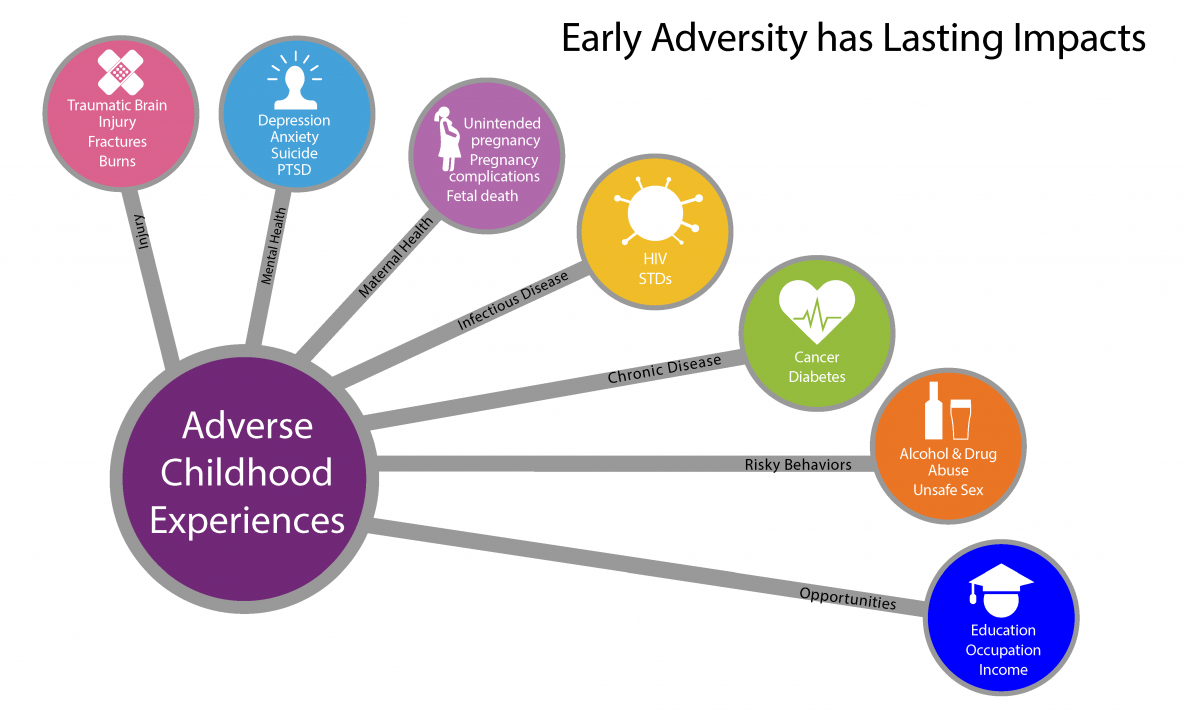
Adverse Childhood Experiences, or ACEs, are potentially traumatic events that occur in childhood (0-17 years) such as experiencing violence, abuse, or neglect; witnessing violence in the home; and having a family member attempt or die by suicide. Also included are aspects of the child’s environment that can undermine their sense of safety, stability, and bonding such as growing up in a household with substance misuse, mental health problems, or instability due to parental separation or incarceration of a parent, sibling, or other member of the household.
Adverse Childhood Experiences have been linked to
risky health behaviors,
chronic health conditions,
low life potential, and
early death.
As the number of ACEs increases, so does the risk for these outcomes.
The presence of ACEs does not mean that a child will experience poor outcomes. However, children’s positive experiences or protective factors can prevent children from experiencing adversity and can protect against many of the negative health and life outcomes even after adversity has occurred.
It is important to address the conditions that put children and families at risk of ACEs so that we can prevent ACEs before they happen. CDC promotes lifelong health and well-being through Essentials for Childhood. Essentials for Childhood offers strategies to assure safe, stable, nurturing relationships and environments for all children.
As the brain science on adverse childhood experiences evolves, teaching must, too
By Jim Hickman & Kathy Higgins
November 15, 2019
More and more teachers recognize that children who can’t sit still in class, act out, or have asthma may be showing warning signs of a toxic exposure to childhood trauma.
More than two decades ago, landmark research from the Centers for Disease Control and Prevention and Kaiser Permanente found that exposure to adverse childhood experiences, or ACEs—ranging from parental addiction to abuse, neglect, or divorce—can have lasting effects on children’s health. These ACEs can lead to abnormal levels of stress hormones—a condition known by doctors as toxic stress, which increases kids’ risk of serious illnesses including asthma and diabetes, as well as long-term problems including heart disease and cancer later in life.
But the science also tells us that two things are clear: Early intervention improves outcomes, and safe, stable, nurturing relationships can be healing for children. With nearly 35 million children across the country at risk for toxic stress, what if the person giving the biggest daily dose of healing treatment for toxic stress isn’t a doctor or a therapist, but a teacher?
As education researchers have found, stress can change brain architecture, making it more difficult for children to focus and learn. When a child’s fight or flight response is constantly triggered by adverse experiences such as abuse or neglect, the child’s nervous systems can become dysregulated, which can also affect thinking, decisionmaking, emotional control, and learning. This makes it more likely that children will experience negative academic outcomes such as poor grades, an increased risk of suspensions, or dropping out of school all together.
Although scientists used to think the brain circuitry was “set” around age 6, they have recently found the brain is malleable well into the 20s. As such, the brains of students who’ve experienced trauma can also be “rewired” for greater connection and feelings of security. To do so, it’s essential to design an education system that takes into account our new knowledge of the developing brain. One of the most important findings is that for students who’ve experienced trauma and adversity, caring, secure relationships, and trust can restore their ability to learn.
How might schools incorporate these important findings? Teachers want to offer social-emotional learning, but many are unsure how to do so. Here are 10 practical, low- or no-cost strategies for turning things around:”It’s essential to design an education system that takes into account our new knowledge of the developing brain.”
1. Immerse your school in trauma-informed approaches. Such approaches focus on infusing the values of safety, trust, collaboration, choice, empowerment, and equity into all learning environments. Trauma-informed teaching is less about following a checklist than adopting a new way of doing business as a school.
2. Create a positive school climate that offers long-term, secure relationships between teachers and students. These relationships support academic, physical, cognitive, and social-emotional development—an approach known as whole-child education—that can help children overcome trauma and toxic stress.
3. Incorporate practices that address belonging and safety. Neuroscientists have found kids need a feeling of safety and connection in order to thrive. As a recent Edutopia video series on how learning happens demonstrates, something as simple as greeting children at the door each day with a hug, high-five, or handshake can help develop an atmosphere of trust, safety, and caring.
4. Implement one-on-one time with the teacher. Giving children a few moments of private time each day will help students feel cared about and soothed, experts say.
5. Create “safe” corners in the classroom. Children should have space if they need to take a break and regroup. This respite is particularly important if children are suffering from trauma or toxic stress.
6. Be predictable. As the Houston-based psychiatrist and trauma expert Bruce Perry writes, “If a schedule is consistent, but the teacher is not, there is no predictability for the child.” Your smile and the calm rhythm of your voice can make a child feel safe, he explains.
7. Make sure your students are eating nutritious food and have time to move and play at school. Study after study shows that healthy students perform better on tests, attend school more often, and behave better in class. With this in mind, schools should ensure that students have nutritious meals and snacks (including during celebrations, where it can be easy to default to less-nutritious foods like birthday cake) as well as regular opportunities to be physically active.
8. Hang up reminders to use “talk moves” for classroom discussions. Taping helpful conversational formulas to the wall for kids to refer to—”What do you think?” or “I heard you say X—could you explain that?”—can help children get into a classroom discussion and feel more connected socially. This is especially helpful in getting shy students to join the conversation.
9. Boost engagement with phrases like “I wonder” and “I notice.” Encouraging students to use these phrases in conversation can clue in teachers about what and how children are learning. This can make it easier to pinpoint gaps and reach out to students who need help, which may reduce their anxiety about learning.
10. Teach and model social-emotional learning. Showing kids how to calm themselves, work out conflicts, and name emotions helps everyone in the classroom better focus on learning and promotes academic and social development.
While sleep, exercise, nutrition, and mindfulness are critical to help children heal the impact of toxic stress, research suggests it is the cumulative dose of positive student and teacher interactions that makes the biggest difference.
Of course, these suggestions are just one piece of a bigger puzzle for mitigating the impact of toxic stress. Children who experience more severe or frequent ACEs, such as abuse or household instability, will likely need more interventions beyond those that even a caring, nurturing teacher can provide, and referrals to counseling and community resources are likely the next step. But using the above strategies can do wonders for easing toxic stress in the classroom.
What’s especially gratifying is that most of these science-based teaching practices are simple ones. They don’t need expensive technology. They don’t require specialists or extra rooms. And they can be easily incorporated into almost any school. Even a daily hug or high five from a caring teacher can help kids thrive.
Jim Hickman is the CEO of the Center for Youth Wellness in San Francisco, which seeks to raise awareness of the long-term consequences of childhood trauma and promotes trauma screening and treatment. Kathy Higgins is the CEO of the Alliance for a Healthier Generation, a national nonprofit that works to help kids develop lifelong healthy habits.
For most of us, thinking about the fall and winter months conjures up happy memories—hayrides, big family dinners, and presents galore. However, the holiday season can be difficult for our students affected by trauma.
Often students affected by trauma do not have fond memories of these times. Whether they recall arguing among family members, tragedy within their home, or no celebration at all, the fall and winter seasons for our students can bring about depression, aggression, increased tension, stress, and more.
The celebration-filled months of October, November, and December include activities both in and out of the school setting. In order to create a sense of calm in our students affected by trauma, several strategies can be used to avoid negative situations.
Watch the Signs
Signs of trauma include:
Isolation
Escalating behaviors
Risky behaviors
Change in appearance
Change in personality
Difficulty sleeping
Follow Your Routine
Keep a routine at school. If Friday always entails a spelling test, keep it up each Friday. In general, students do well if they know their routine is not going to change and they are able to anticipate what is happening next. Therefore, keeping a regular routine each day is important to avoid triggers and disregulated behaviors. If routines need to be changed, your best practice is to pre-teach the events coming up so that there is still some semblance of regularity.
Avoid Sensory Overload
Students affected by trauma are often sensitive to many events that include noise, overcrowded areas, or excessive bright lights. These sensory inputs can easily trigger students with trauma, pushing them to the edge and creating behavior issues. Educators should avoid changes in lighting in their rooms and in the school, along with reducing the noise levels and limiting large group events to avoid maladaptive behavior.
Stay Positive
Students experiencing the effects of adverse childhood experiences (ACEs) often have low self-esteem and regularly look at themselves as the root cause of those bad things happening in their lives. This time of year can trigger negative memories for students with ACEs through specific sounds or smells. Educators need to be aware of very subtle nuances that can trigger larger negative events.
Some great ways to respond to students experiencing trauma would be:
Listen (allow students to talk to a trusted adult)
Teach coping skills (take five, take a walk, exercise, etc.)
Be mindful of school celebrations (pre-teach changes)
Psychological First Aid
As educators, we are all capable of offering “psychological first aid.”
We can listen by identifying a trusting adult for students in crisis.
We can protect students by ensuring safety throughout the school day.
We can connect by listening to students and help to restore the wrong.
We can model by using verbal and non-verbal cues with students so that they feel valued and understood.
We can teach by creating small goals for students to reach in learning how to cope with ACEs around the holiday season.
As we approach the holidays this year, remember to keep strong routines and pre-teach instances that fall out of the ordinary routine. Avoid sensory overload and create calming areas in our classrooms. Lastly, stay positive and encourage the positive in your students.
Robyn Harris is principal of Whaley School in Anchorage, AK. She is the 2018 Alaska Principal of the Year. Follow her on Twitter (@WhaleySchool), Facebook (Whaley School), and her blog (whaleyschool.weebly.com).
The longer we live, the more inevitable it is that we will experience trauma. Trauma is the response to a deeply distressing or disturbing event that overwhelms an individual’s ability to cope, causes feelings of helplessness, diminishes their sense of self and their ability to feel the full range of emotions and experiences.
It does not discriminate and it is pervasive throughout the world. A World Mental Health survey conducted by the World Health Organization found that at least a third of the more than 125,000 people surveyed in 26 different countries had experienced trauma. That number rose to 70% when the group was limited to people experiencing core disorders as defined by the DSM-IV (the classification found in the Diagnostic and Statistical Manual of Mental Disorders, 4th Edition). But those numbers are just for instances that have been reported; the actual number is probably much, much higher.
While there are no objective criteria to evaluate which events will cause post-trauma symptoms, circumstances typically involve the loss of control, betrayal, abuse of power, helplessness, pain, confusion and/or loss. The event need not rise to the level of war, natural disaster, nor personal assault to affect a person profoundly and alter their experiences. Traumatic situations that cause post-trauma symptoms vary quite dramatically from person to person. Indeed, it is very subjective and it is important to bear in mind that it is defined more by its response than its trigger.
Taken from the article What is Trauma by By Karen Onderko, Director of Research and Education at Integrated Listening Systems.
Common Responses and Symptoms of Trauma
Response to a traumatic event varies significantly among people, but there are some basic, common symptoms.
Emotional signs include:
sadness
anger
denial
fear
shame
These may lead to:
nightmares
insomnia
difficulty with relationships
emotional outbursts
Common physical symptoms:
nausea
dizziness
altered sleep patterns
changes in appetite
headaches
gastrointestinal problems
Psychological disorders may include:
PTSD
depression
anxiety
dissociative disorders
substance abuse problems
What Trauma means in the classroom
Trauma is particularly challenging for educators to address because kids often don’t express the distress they’re feeling in a way that’s easily recognizable — and they may mask their pain with behavior that’s aggressive or off-putting. As Nancy Rappaport, a child and adolescent psychiatrist who focuses on mental health issues in schools, puts it, “They are masters at making sure you do not see them bleed.”
Identifying the symptoms of trauma in the children can help educators understand these confusing behaviors. And it can help avoid misdiagnosis, as these symptoms can mimic other problems, including ADHD and other behavior disorders.
In brief, the obstacles to learning experienced by these children include:
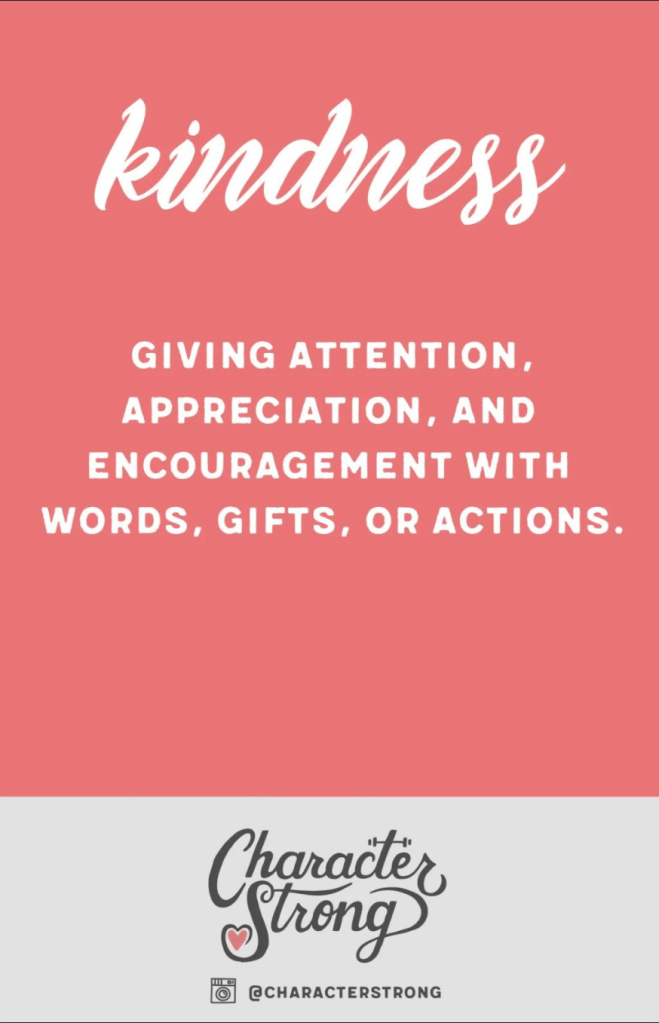
 —Getty